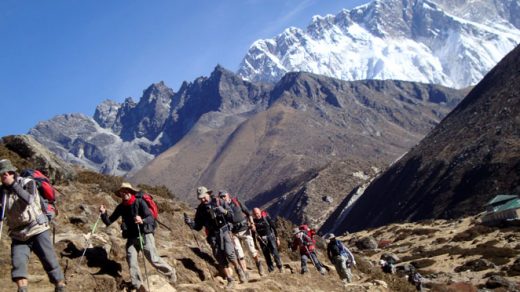
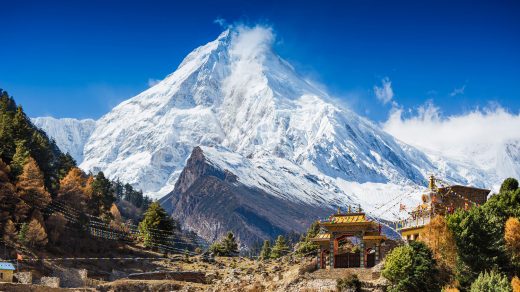
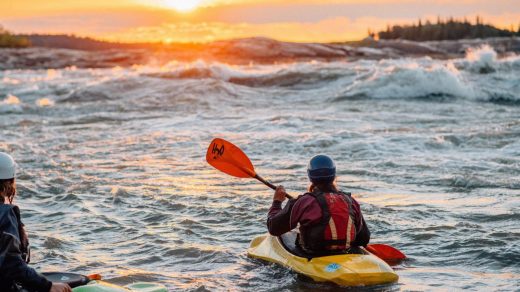
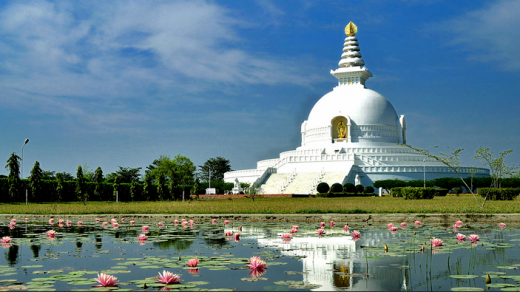
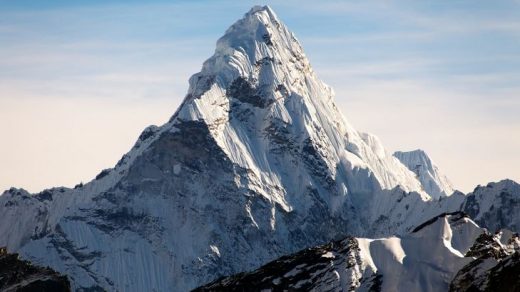
Nepal’s unique topography makes the country a nature-lover’s paradise. Its majestic peaks and rolling hills, coupled with its lush forests and breathtaking rapids, are all testament to the beauty of the great outdoors. That said, it is of little wonder that tourists go to Nepal not only to climb its numerous mountains, but also to revel in the beauty of nature.
Unlike most crowded tourist destinations, Nepal has managed to strike a balance between cosmopolitan business centers and lush scenery, thereby allowing wildlife to thrive in the country even as it continuously gains popularity as a backpacking and trekking destination. With the country’s thriving wildlife including rare finds like the Bengal tiger and the Indian rhinoceros, it is not surprising to find that many wildlife photographers flock to the country to capture the beauty of such exotic animals.
Do you want to venture into wildlife photography? Do you want to capture the vibrant wildlife in Nepal? Or maybe you just want to properly document your visit to Nepal? Regardless, here is a rough guide on wildlife photography in Nepal that will let you make the most out of your visit to the country.
Where to practice wildlife photography in Nepal
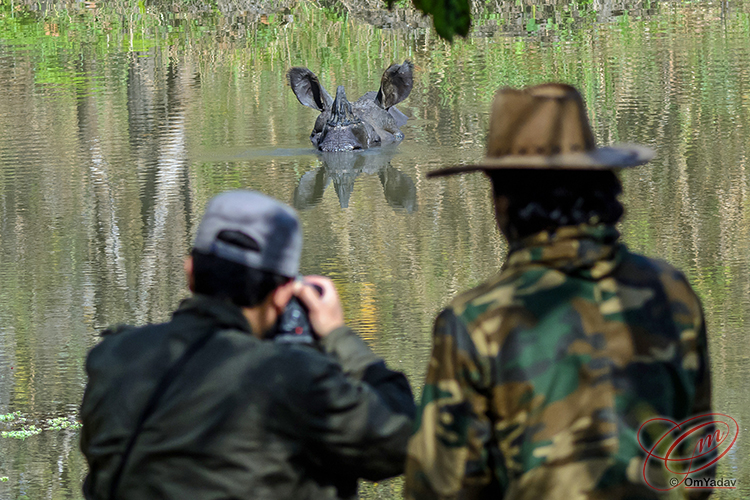 If you are planning to try out wildlife photography, then it is probably safe to assume that you already have experience in photography in the past. That said, in this article, we will focus on the specifics of photographing wildlife in Nepal as opposed to talking about the basics of photography, although I will give you handy tips in taking wildlife photos while in the country (but more on that later).
Having said that, the most important question that you will have to confront when venturing into wildlife photography in Nepal is this: where is the best place to shoot photos of animals in the country? Of course, you will find animals wherever you go, but if you are looking for wildlife and some rare finds, then your best bet is to go on a safari adventure. Luckily for you, there are quite a lot of safaris in Nepal, so observing animals in their local habitats should not be too much of a problem insofar as the opportunity to spot rare finds is concerned. Not sure where you should be headed next? Here are a couple of safari adventures you definitely would not want to miss if you want to take great photos of wildlife:
1) Chitwan National Park
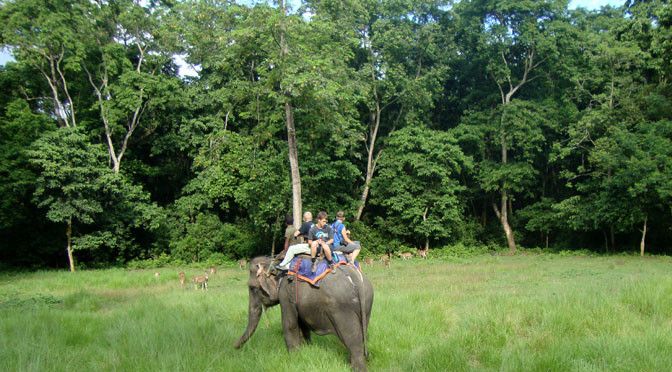
 For those who want to spot elephants, rhinos, and even crocodiles, the Chitwan National park is certainly a must-see. This national park is easily accessible from Kathmandu and is well-known for running a successful rhinoceros conservation project. With over 600 rhinoceros roaming friendly in the national park, you should not have any difficulty in spotting one (or a couple, actually). In addition to the enormous rhinos, you will also find elephants, gharial crocodiles, deer, and a variety of birds and another smaller animals in the park.
You can explore the national park on foot or aboard a vehicle. If you want to take pictures of as many animals as possible, however, you might want to explore the park on a jeep in order to cover more ground. An ox cart is also another option you might take, especially if you do not want to disrupt the animals in the area.
2) Bardia National Park
The Bardia National Park is located in the far western part of Nepal. Unlike the Chitwan National Park, this safari is less frequented by tourists due to its location. Thus, if you are looking for a more rugged safari experience, then you will certainly enjoy exploring this national park.
The Bardia National park is an especially great venue if you want to spot the Royal Bengal Tigers. Although the elusive Royal Bengal Tigers can be found in different locations in Nepal, you have greater chances of spotting them in this area, mostly because foot traffic is not as heavy as in other national parks.
Also, since the Bardia National park is close to the Karnali River, you may also venture on a whitewater rafting trip while in the area. Not only will this be a superb outdoor activity, but you will also have a chance to see more of the animals that live near the river.
3) Koshi Tappu Wildlife Reserve
 For the bird-lovers out there, the Koshi Tappu Wildlife Reserve is without a doubt a haven. This wildlife reserve is located on the eastern plains of Nepal and is not very far from Pokhara. Housing over 400 bird species, touring the wetlands is certainly a great way to catch glimpses of – and of course photograph – various birds in the area. You will also be able to find different species of ducks, geese, storks, and even eagles and kingfishers.
Another great thing about this wildlife reserve is that various accommodations have been set up in the area, so you can hang around the reserve for a couple of days and take your time in photographing various bird species. Staying in the reserve is also a great opportunity to meet fellow bird watchers and nature photographers from different parts of the world.
What are some tips for doing wildlife photography in Nepal
Unless you intend to be a prize-winning wildlife photographer, there really are no hard and fast rules when it comes to wildlife photography in Nepal. Nonetheless, there are a couple of tips which you can utilize in order to take better pictures and make the most out of your experience in Nepal. That said, here are some things which could come in handy when taking up wildlife photography in Nepal:
1) It is important to love and respect animals
This is the most crucial factor when it comes to wildlife photography. If you want to take great photos of wildlife, then it is imperative that you love animals. Love and appreciation of animals come with respect, and the latter really does wonders when it comes to taking photos of animals in their natural habitat. This does not go to say, however, that you need to favor all animals equally. You might have a preference for birds or for large mammals – that is perfectly fine. What is important is that you keep the welfare and safety of the animals in mind in the course of your wildlife photography session.
Safaris in Nepal span great areas of land, so if you want to cover a lot of ground and see a lot of animals, exploring on foot just will not cut it. As mentioned earlier, however, while taking a jeep or other motor vehicle is certainly the most efficient way to go about it, doing so is not respectful to the animals in the area you will be visiting and will most likely scare them away. Exploring the safari on an ox cart is certainly a more eco-friendly option, not to mention one which will serve your purposes better.
2) Just take pictures
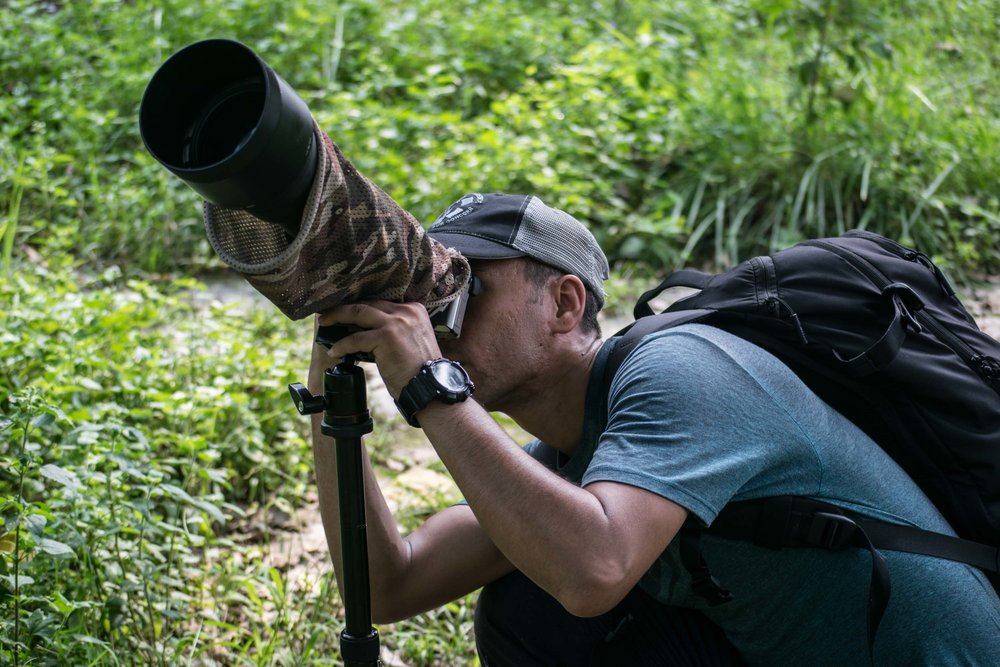 In the age of well-curated Instagram and Facebook feeds, it might be tempting to spend so much time taking aesthetically pleasing wildlife photographs. While there is nothing wrong with that, especially if you are a professional wildlife photographer, it might not be the best course of action to take for beginners. Obsessing over your shots can actually take the joy out of wildlife photography and that is certainly not what you are going for.
Instead of spending too much time on getting the perfect shot, start with taking photos of as many animals as you can. Learn how to spot animals quickly and how to take pictures of them without being noticed. Once you have these skills nailed down, you can move on to the more technical aspects of wildlife photography.
Of course, the ultimate goal is taking great photos of photos, but do not let your end goal distract you from your experience. After all, wildlife photography is also meant to celebrate wildlife and appreciate nature.
3) Know your equipment
There is no need to be a professional photographer in order to delve into wildlife photography but knowing your equipment will certainly work wonders when you are out in the safari, trying to spot rare animal species. This is especially the case if you really want to develop your skills as a photographer and take high quality photographs of animals in their natural habitat.
Bear in mind that the subject in wildlife photography are moving animals, many of which are not used to human presence or contact. That said, knowing your camera really well is an asset as you will often have to quickly change settings – sometimes without looking at your equipment lest you lose track of your subject.
Again, you do not have to be an expert just to take wildlife photographs, but a good rule is to stick with equipment you know by heart. Some people get too excited with the prospect of wildlife photography and would even buy new equipment to take with them to their Nepal trip. While there is nothing wrong with wanting to have a better-quality camera to document your foray into the wildlife, even the highest quality camera in the world will not be of much help if you cannot operate it properly. Worse, you might even end up damaging your camera as you fumble in the safari. So save your fancy equipment for more chill adventures where you can tinker with the camera settings and stick with the equipment you are used to while in the safari.
4) Consider investing in a trail camera
 I am an advocate of sticking with equipment you are already familiar with, but I make an exception when it comes to trail cameras. A trail camera is particularly useful as a wildlife camera for two purposes: 1) researching wildlife photography locations and 2) capturing great wildlife photos.
The trick to being a good wildlife photographer is being very patient, especially if you are trying to get photos of elusive species. If you have a limited time to spend in Nepal, however, camping out for hours and waiting for certain animals to appear might not be the most viable option. This is where trail cams come in handy. You can buy a couple of low-cost trail cams and install them in several strategic locations. This way, you can document the kind of animals that typically pass by the area, allowing you to have a better idea of where you can find certain species.
Most people assume that trail cams are typically low-res, but that certainly is not the case. On the contrary, there are now trail cam brands that offer great resolution, allowing wildlife enthusiasts to take high-quality photographs of wildlife. In fact, some trail cam models have shutter speeds quick enough to capture still images of birds flying with so much clarity.
5) Get a guide
If this is your first time to try wildlife photography in Nepal, then it is better to go with a guide. A well-experienced guide can lead you to areas in the safari where you can get a better view of the animals or where you are more likely to see elusive species. In addition, a safari guide can also give you some tips when it comes to interacting with animals, more specifically, how to act around them. Venturing on your own might seem exciting, but for beginners, a good guide can really spell a lot of difference.
Wildlife photography can sound intimidating for beginners, but it really should not be. As long as you enjoy being out in nature and you have a decent camera, you are well on your way to taking great wildlife photographs. Unlike outdoor hobbies such as kayaking or mountaineering, wildlife photography does not require a lot of training. In fact, the best way to learn it and improve your skills is to get out there and start taking photos. So if you really want to try wildlife photography, just take your trusted camera with you and go for it – all while keeping the tips above in mind.
 Of course, it is impossible to generalize the entirety of Nepalese cuisine, seeing as variations exist depending on the location. Nevertheless, there are a couple notable characteristics of Nepalese cuisine.
 The dal bhat may very well be every
  This is more of a snack than a full meal – not that anyone really is complaining. The sel roti is round and deep-fried, not unlike the donut, but with only a small hint of sweetness. Sel roti is among the dishes you will find practically anywhere in Nepal, from celebrations and festivals to everyday roadside snack stalls.
 Another Newari dish, the yomari is so special that it has a festival of its own – the YomariPunhi Festival. At the end of the rice harvest, locals prepare sweet yomari to celebrate. Yomari is basically dumplings in the shape of a fish, typically stuffed with sweet coconut or molasses. This is a seasonal dish and outside the duration of the festival, this dish can be quite hard to find.
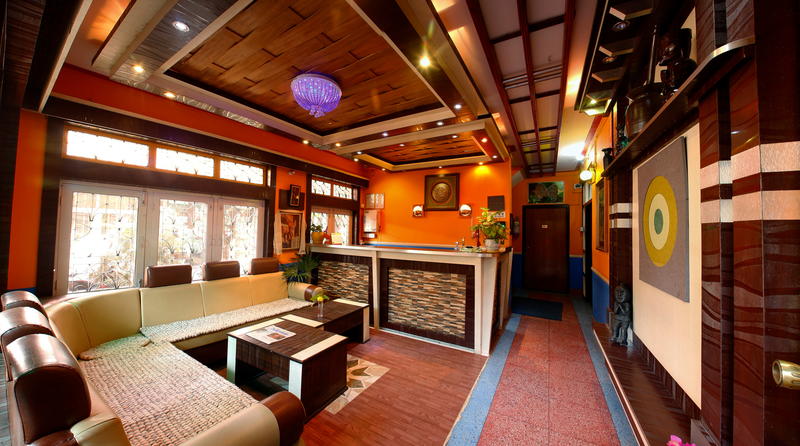 With price starting at around $10, this hotel is certainly for the budget-conscious traveler. Located at the center of Thamel,
 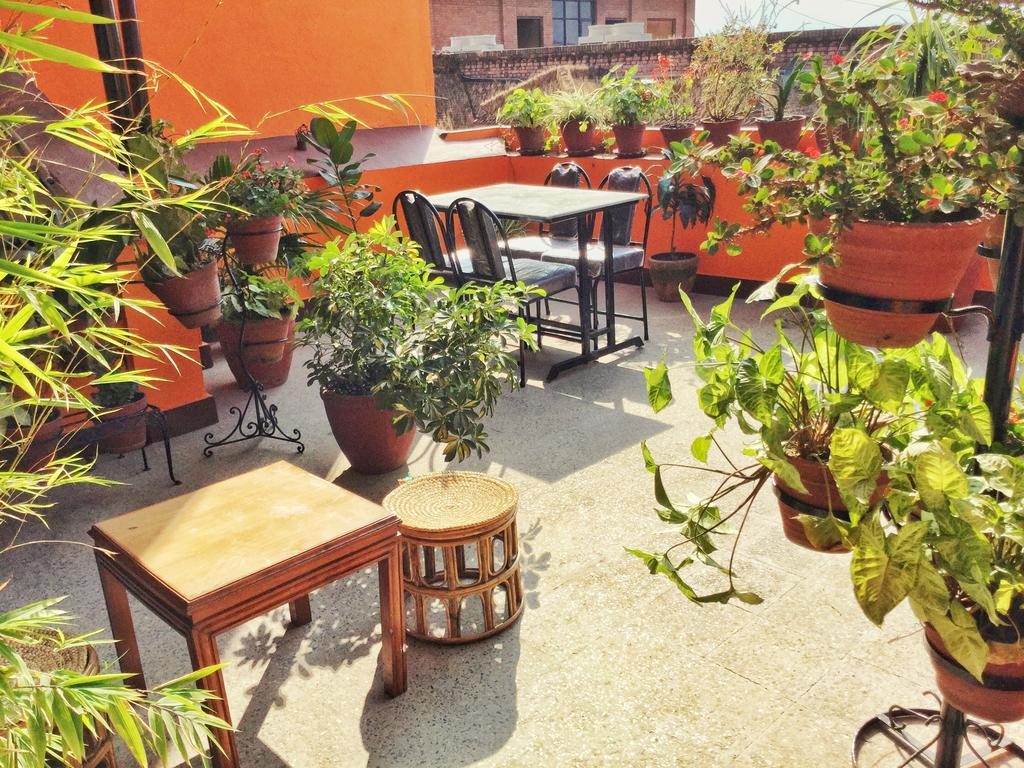 Also at the $10-dollar range, Trekkers’ Home is a great choice for travelers on a budget. This accommodation is close enough to the city but without the hefty price tag. You can choose from a variety of rooms including single, double, triple, and even family suites.
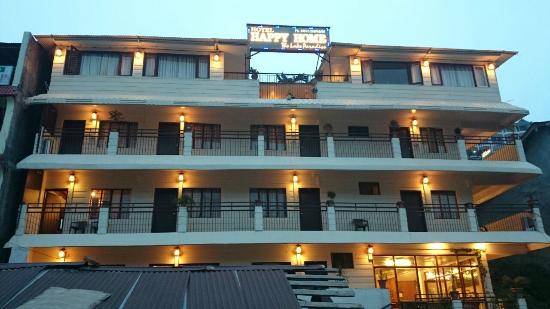 A little more expensive is the Hotel Happy Home, with rates starting at around $17. Nevertheless, the additional price is justifiable since the hotel is at a prime location, fully-furnished, fully-air conditioned, and even has free Wi-Fi as well as other complimentary items.
 If you want a more comfortable accommodation without spending too much or moving too far away from the heart of Kathmandu, then this accommodation is perfect for you. Starting at $20, the Hotel Mums Home has fully-air conditioned rooms with a spacious garden and a terrace.
 If you want a room with a great view but affordable rates, then you should try this hotel. With rates starting at $25, this is still budget-friendly. The hotel has modern furnishings and provides a great view of the mountains.
 Starting at $35, this bed and breakfast has great amenities. All rooms have access to the balcony, not to mention the fact that the hotel has a great,
 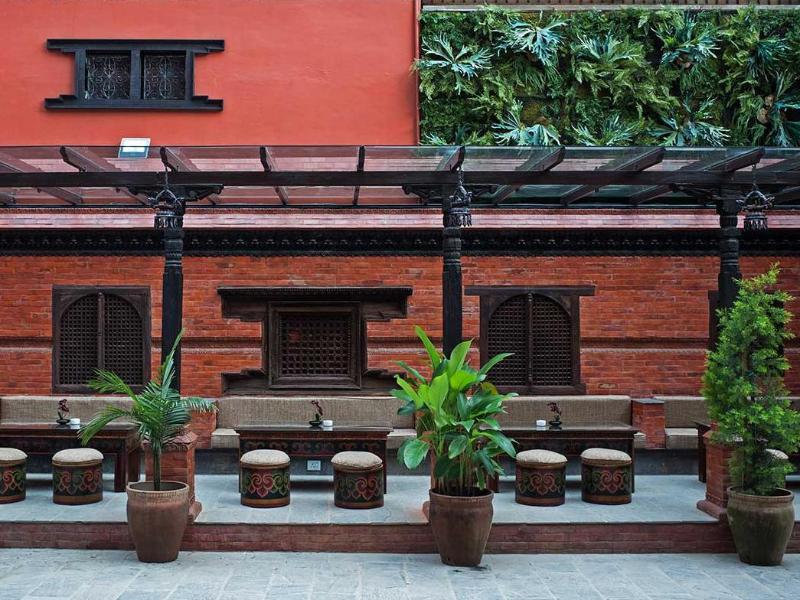 For around $80, you can enjoy staying at this heritage hotel in Kathmandu. On top of its amenities, the Dalai-La Boutique Hotel also has terrace and a courtyard.
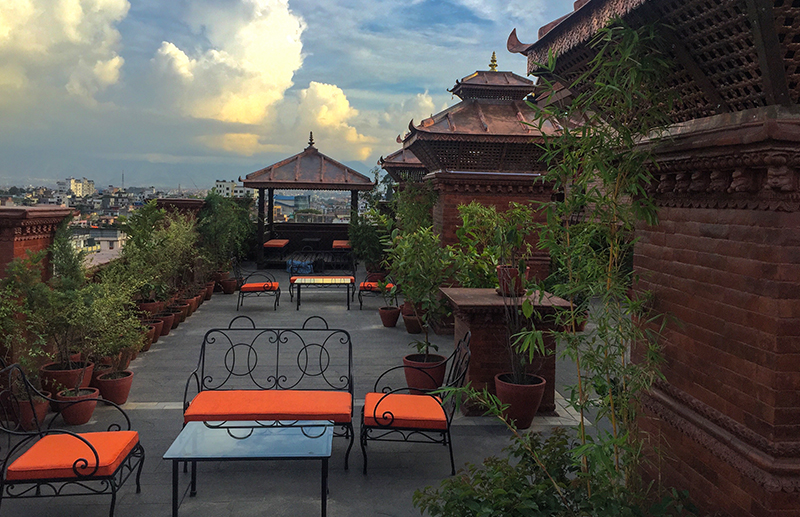 If you want to stay in a traditional hotel but do not want to give up the comfort of modern amenities, then this hotel is the perfect one for you. Although still mid-range, the hotel is splashed with a bit of luxury, perfect for relaxing after a particularly tiring day.
 With over 12 acres of grounds, the Crowne Plaza certainly does not skip on amenities. You can try their outdoor pool, enjoy the international food fare at their restaurant, or have a chill barbecue afternoon. The interiors are remarkably elegant and characteristically Nepali.
 This hotel is actually a heritage hotel palace, so you will certainly be in awe of the manicured gardens and the antique fountains. The hotel also has an outdoor pool, two tennis courts, and even an indoor casino.
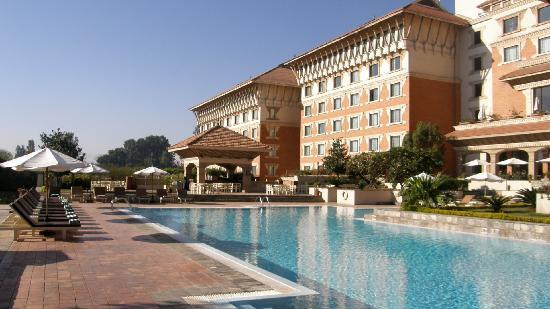 If you have been to a Hyatt hotel before, then you know exactly what to expect when you visit the Hyatt Regency. The entire hotel is luxurious with beautiful landscaped gardens and modern fully-furnished rooms. The hotel also has an outdoor pool.
 If you want a break from the busy Kathmandu, then head to the outskirts and check in the Gokarna Forest Resort. Despite being located inside a forest, this resort has complete amenities, including a golf course, a spa, a health club, and various dining options.
 This hotel is perfect not only for accommodations, but also for sight-seeing. With an extensive collection of 13th-century arte facts, it is easy to see why it was awarded the PATA Heritage Award. Also, with an outdoor pool and various dining options, this hotel is really worth the bucks.
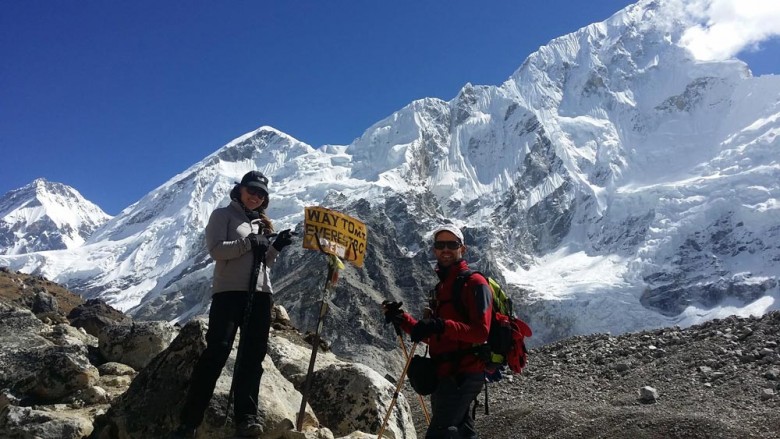 Before you prepare anything, you should first determine the date for your hike or trek. You can go
  After you have decided when to go hiking or trekking in Nepal, the next step is to determine whether to embark on a solo trekking trip or avail of the services of a guide. Of course, the answer depends on a number of factors including your budget, experience, and personal preference.
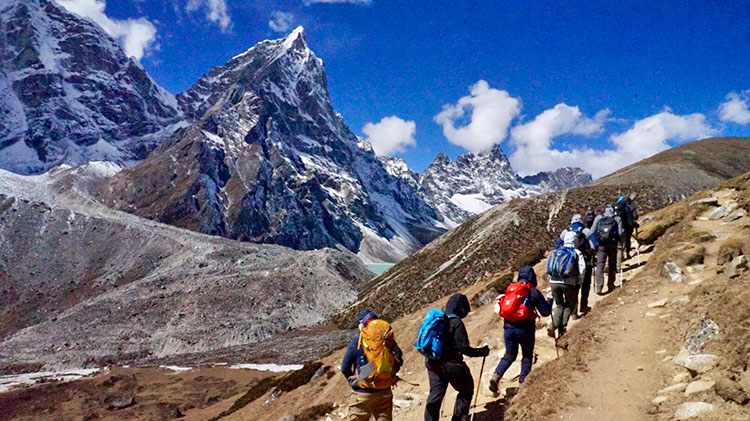 To put it simply, a guide is someone who will give you information about the trek, ensure your safety, and take care of logistics. A porter, on the other hand, is someone who can carry heavy gear for you. If you are planning to lug along a lot of equipment, then you might want to consider hiring the services of a porter.
 If you want to experience trekking in Nepal but are not ready for a task so physically taxing, you might want to venture into teahouse trekking first. Teahouses refer to small mountain lodges which can be found along hiking trails. You will typically pass by a treehouse every hour or so and such places are great for resting, eating home-cooked meals, and meeting other travelers. You can also spend the night in teahouses, so you do not have to camp out for the night.
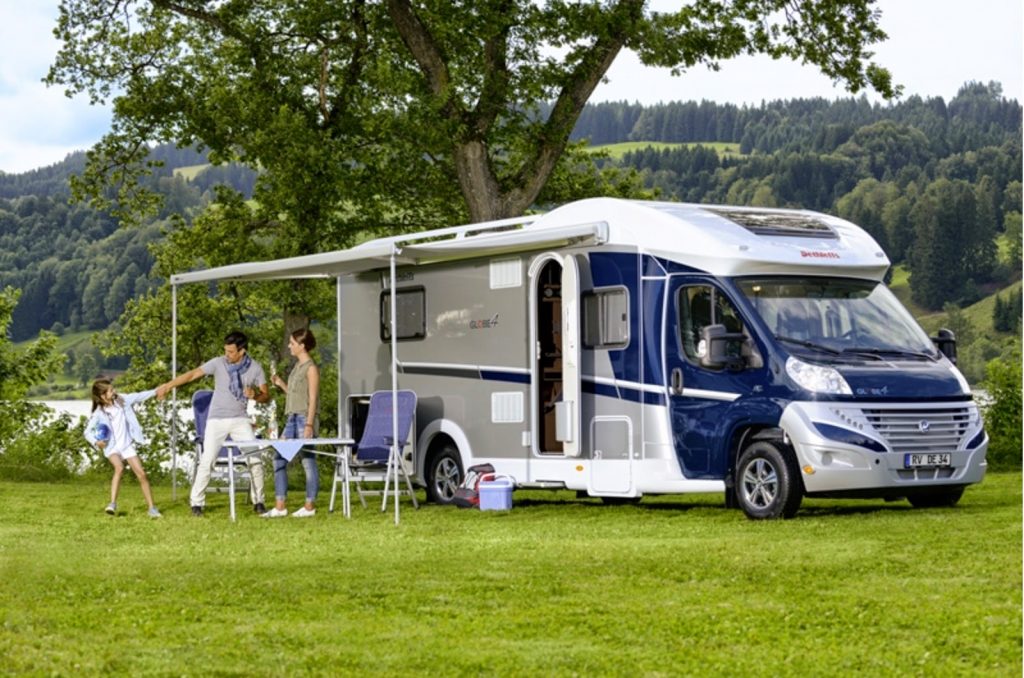 This is the most important factor which you have to consider before travelling in a campervan. Since your campervan will not only be your mode of transportation but will also essentially be your home for the duration of your trip, then it is extremely important to be discerning when it comes to which campervan to purchase. Campervans are not all that difficult to find today, and you may opt to buy campervans in websites or in physical outlets. Whichever option you might decide to go with, make sure that you are buying from reputable dealers.
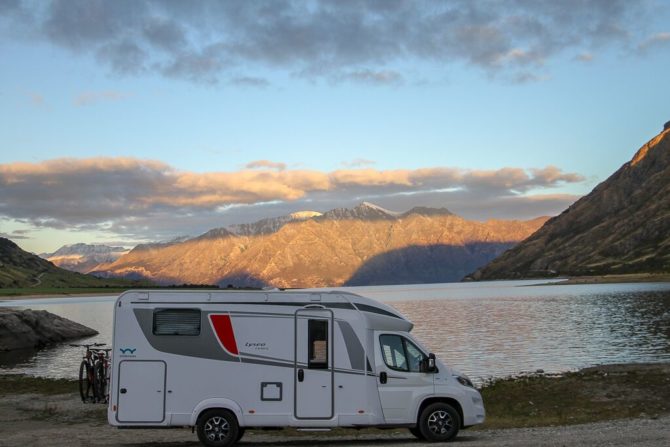 As with buying any vehicle, buying a campervan entails some upfront costs on top of the price of the actual campervan. Of course, you will have to get vehicle registration for your campervan which, depending on your area regulations, will also include getting insurance and/or securing roadworthy certificate. In addition, you will also have to prepare to shell out for routine mechanical checks (unless you have expertise in this area, in which case you will certainly save a lot of money). Remember that your campervan is both your transportation and your accommodation so do not scrimp on mechanical checks before your trips.
 If you want your trip to be as comfortable as possible, then you should also consider investing in a composting toilet. Not only will having a composting toilet come in handy, especially if you are planning to take routes where camping sites are few and far between, but it is also more environment-friendly. In plain terms, a composting toilet is a type of toilet which turns human excreta into compost, all the while regulating odor. Many composting toilet designs use no water for flushing, making composting toilets the most viable option for campervan travelers. This way, you will not have to worry too much about your toilets using up too much water for the duration of your trip.
 This goes without saying, but a lot of campervan travelers often rely on supermarkets and supply stores that they will find along the way. Unless you are very familiar with the routes you are taking, this is not a very good option since there is no certainty that you will be able to stock up on your supplies. Instead, you should make sure that you have enough supplies (and maybe a little extra) before heading out on your road trip. If anyone in your company has dietary restrictions, then all the more that you should have enough supplies. Also, do not forget to bring a first-aid kit with you, along with medicines. Hygiene products are also equally important so make sure to bring enough with you.
 This is not to say, of course, that you have to
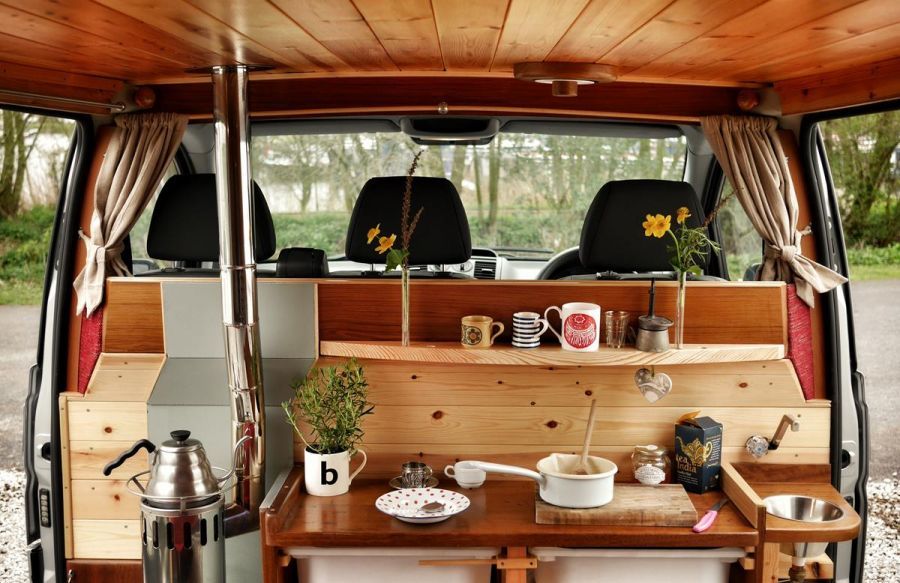 This tip cannot be emphasized enough: it is incredibly important to have a means of communication with you at all times. Some travelers go travelling in their campervans in an effort to unplug, but while that is actually a good plan, make sure that you still have a means of communication just the same. For one, you cannot foresee emergencies, so it is better if you have a way of asking for help in case something goes wrong. Also, it is only wise that you make sure that someone always knows where you are.
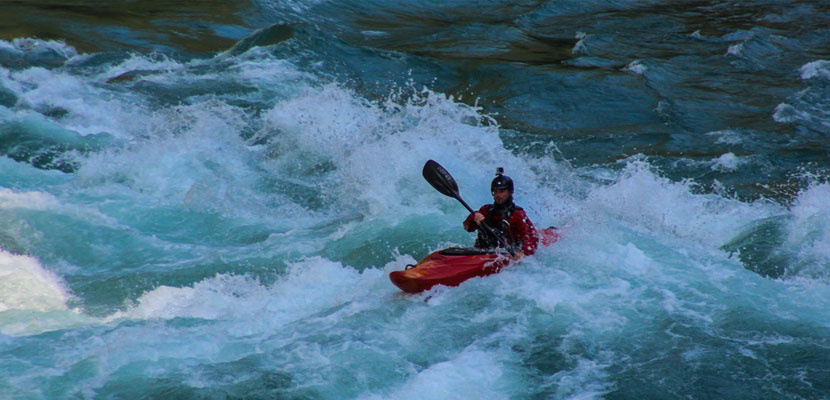 The prospect of going kayaking in Nepal is truly exciting, but that does not mean that you should book a ticket to the country right away. Before you do so, make sure that you are visiting at a month when the rivers and rapids are at a condition most suitable for your skill level.
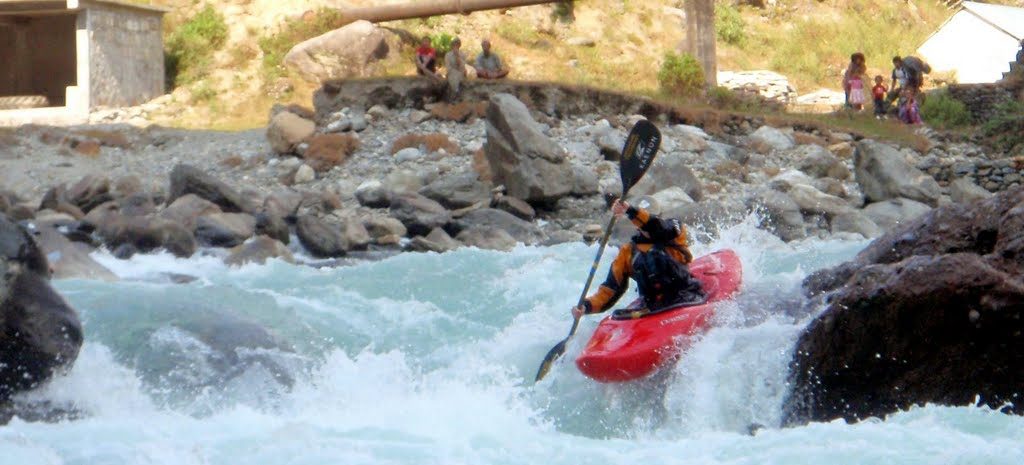 If you are an experienced kayaker, then you probably bring your own gear when you go kayaking – from your kayaking outfit to your very own kayak. That said, transportation is a top consideration when you go to Nepal. If you can afford renting a vehicle for the duration of your stay in Nepal, then great for you. That means you would not have to worry about transporting your gear from the airport to your kayaking destination. This is especially handy if you are planning to kayak in different places in Nepal.
 For kayaking beginners and first-timers, or those who are not willing to lug around all their kayaking gear for the entire duration of their Nepal trip, your best option is to check out local kayaking operations.
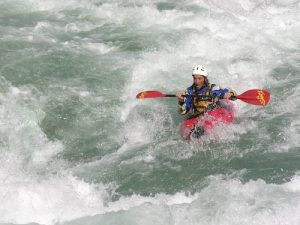 Equator Expeditions operates in the Sukute Beach Resort. The resort is a great spot by the river with access to a private beach, making it an ideal spot for learning how to kayak. In addition, the resort is also a perfect spot for relaxing and lounging around after your
  What you should look for in local kayaking operations and clinics
 For beginners and first-timers, meanwhile, it is also advisable to look for kayaking packages which are inclusive of gears and equipment, including the paddle, the kayak, helmet and wet-suit, and a support raft. Try to inquire if the company also offers waterproof containers for your valuables, as well as dry bags for your clothes. If the kayaking package includes riverside camping in the itinerary, it is best to inquire of tents and sleeping bags will also be provided by the company, as well as food and other provisions. This way, you can still travel light even if you intend to go on a kayaking adventure. Also, knowing about these things in advance will allow you to prepare accordingly.
 Climbing the world’s highest peak is not for the casual traveler-cum-hiker, so unless you have months, if not years, of training, climbing Mount Everest is certainly not a very good idea. But that does not mean that you cannot see this majestic mountain in all its glory. If you still want to see Mount Everest and the other Himalayan peaks,
 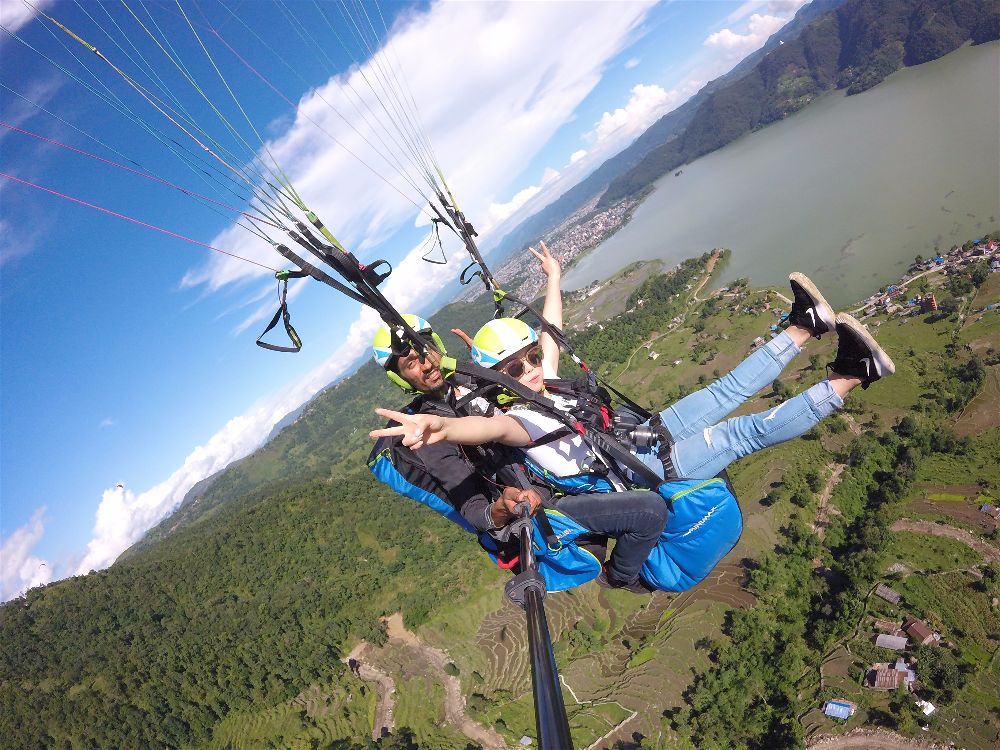 If you do not want to go hiking but want to feel the rush, paragliding might just be the activity for you. Pokhara is one of top spots for paragliding, especially since the weather is generally agreeable and the city has an enormous lake which serves as a safety net for first-time paragliders.
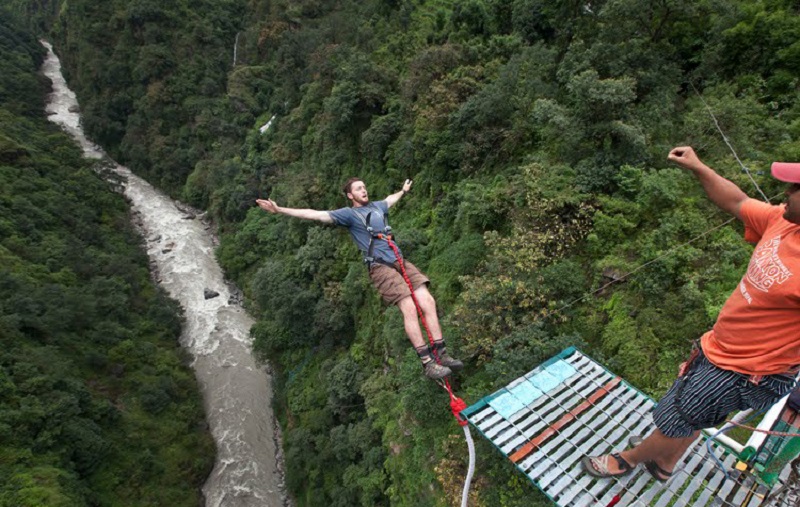 Speaking of adrenaline rushes, here is another extreme sport you might want to try. there are numerous bungee jumping sites in Nepal, but if you are feeling particularly brave, go ahead and check out The Last Resort. This sports complex has the world’s highest bungee jump at 160 meters – certainly not for the faint of heart!
 Kathmandu is possibly the busiest, most crowded city in all of Nepal, but that only adds to its charms. If you have gotten tired of jostling your way around market stalls,
 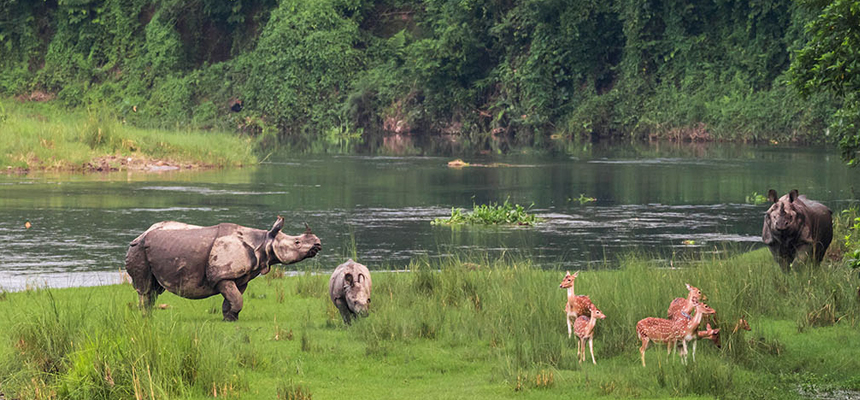 For the animal lovers out there, visiting the jungle safari in Chitwan is certainly a worthwhile activity this jungle safari features lush greenery and houses some of the most majestic animals you would see. Get your cameras ready and be prepared to observe rhinos, elephants, various birds, and even the Bengal tiger, if you are lucky, in their natural habitats.
 There are a lot of transportation options in Nepal, but they are still not quite as convenient as in larger countries. That said, if you want to really explore the country without spending so much on transportation, you might want to consider cross-country motorbiking. You can rent a motorbike and explore Nepal, though you might have to be extra careful since some roads do require maintenance.
 If you want to wind down, relax, and really enjoy the vibrant Nepali culture, then you might want to try a homestay. The Panauti Community Homestay is particularly remarkable, it being operated by a local women’s cooperative. Since you will be staying in a local home, you can really experience life in Nepal. Of course, you cannot really expect much by way of amenities, but you can be guaranteed that your stay will be comfortable.
 If you find a homestay a little too uneventful, then why not try taking it a step further with a farmstay? A farmstay operates under the same principle, the main difference being the location and the activities you will be doing. You can try contacting the Nepal chapter of the World Wide Opportunities on Organic Farms (WWOOF) and ask them to hook you with a local farm where you can stay in exchange for helping with some farm work. It is a good way to experience local life and, at the same time, you get to save on board and lodging.
 With so many temples in Nepal and with such a tranquil scenery, it is easy to see why it is the ideal place to pick up yoga for the first time. And with the Himalayan range surrounding the country, you might as well try mountain yoga. If you want to try it for the first time, you can enroll in the numerous yoga retreat in Nepal. The Sadhana Yoga Retreat is particularly noteworthy and has various options to cater to every individual.
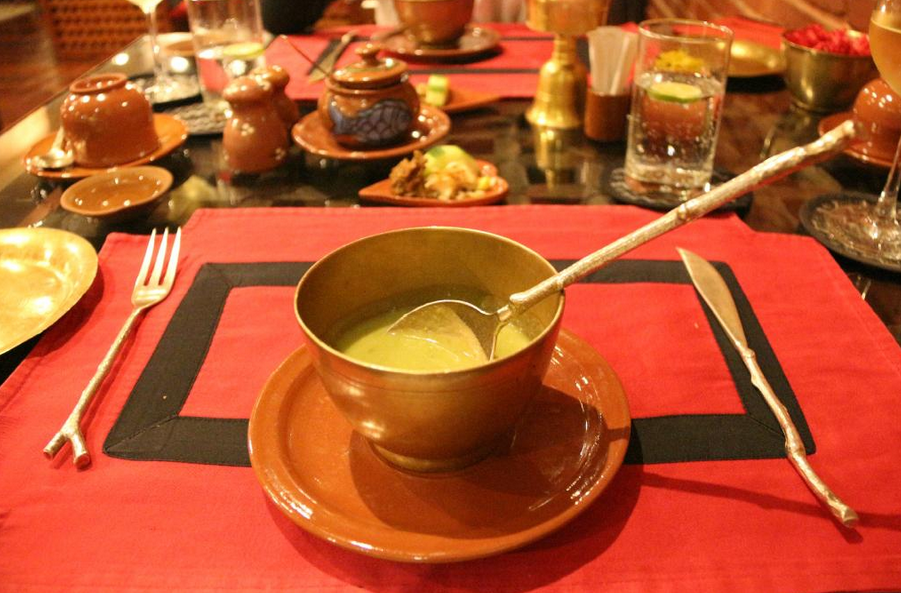 The best way to understand a culture is to sample a cuisine and that holds true for Nepal as well. There are numerous restaurants and food stalls all over Nepal, so you certainly would not have a difficult time sampling local dishes. If you are on a budget, skip the restaurants and eat at local eateries, kiosks, and food joints. If you find yourself craving for some international cuisine, however, no need to fret because
  Nepal’s capital is easily one of the most popular destinations for tourists – and for good reason. This bustling city has so much to offer – from
  Not far from Kathmandu is Bhaktapur, formerly among the three Royal Cities in Nepal. Although no longer holding such designation, Bhaktapur remains a sight to behold, making it a top destination for tourists.
 Another notable city close to Kathmandu is Panauti, one of the oldest towns in Nepal. Despite Panauti being a mere 40 miles from the busy capital that is Kathmandu, Panauti’s old town charm certainly makes first-time visitors feel as though they have been transported to another time and place.
 Speaking of temples, Lumbini is another site in Nepal which you definitely would not want to miss. In fact, Lumbini is hailed as one of the most significant sites in the Buddhist faith, it being the birthplace of Gautama Buddha.
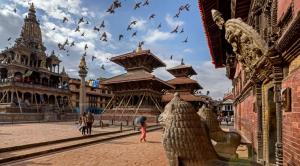 Also referred to as Lalitpur (literally, “Beautiful City”), this picturesque city will certainly take your breath away with its art and architecture. All over the city, one can find beautiful feats of architecture, ranging from temples to
 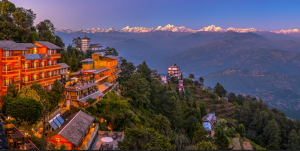 If you want to make the most of your Nepal trip and fully take in the beauty of the Himalayas, then Nagarkot should definitely be on your list of places to visit. This is a quaint hill station which affords a great view of eight mountain ranges in the Himalaya. That said, you are guaranteed to experience spectacular sunrise and sunset during the warmer months.
 If you want to enjoy the great outdoors but want to see something more than just mountains, then Pokhara might just be the perfect city for you. Situated along the shores of Lake Phewa, one gets a great view of Annapurna range. In addition to the spectacular Himalayan view, Pokhara also feature lush green forests and the popular Valley of Orchids.
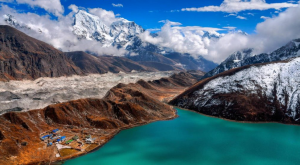 Of course, no visit to Nepal is complete without going to Sagarmatha National Park, home to none other than Mount Everest. Even if you are not planning to reach the highest peak in the world, you can still enjoy looking at other equally spectacular peaks such as the Lhotse and the Amadablam.
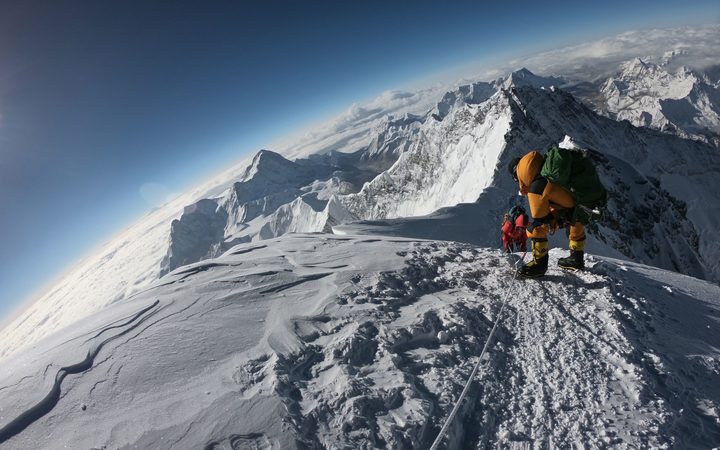 First on the list, of course, is Mount Everest, the highest mountain in the world at an elevation of 8,848 meters. Mount Everest is located in the Khumbu region and is part of the Mahalangur Himalayan range. The mountain has two main climbing routes: the first one accessible from Nepal and the other accessible from Tibet. This mountain is so high that its highest point penetrates the stratosphere, making the weather conditions at the peak of the mountain quite unforgiving. The popularity of this mountain generates high revenues in terms of tourism and the trekking business. Likewise, nearby towns and tourist spots have seen an upsurge in tourist visits over the years.
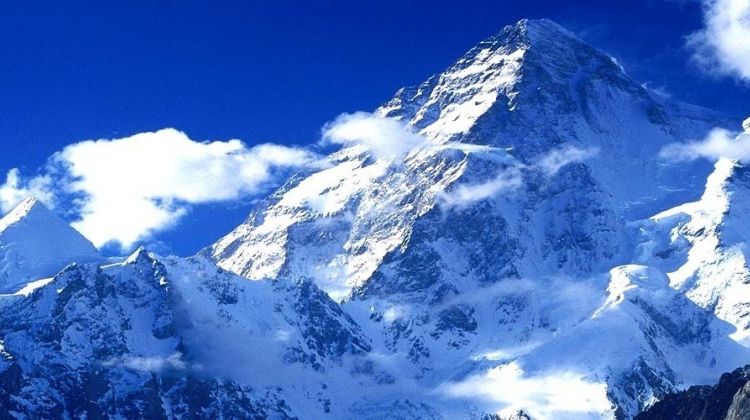 Just 125 kilometers from Mount Everest is Kanchenjunga, the third highest mountain in the world, standing tall at an elevation of 8,586 meters. Part of the mountain is shared by a part of India. What makes the Kanchenjunga remarkable is that it has five prominent peaks, fondly referred to by the locals as “the five treasures of the snow”. This is because the peaks of Kanchenjunga are held by both Indians and Nepalis as sacred. Thus, very few individuals venture to hike this mountain.
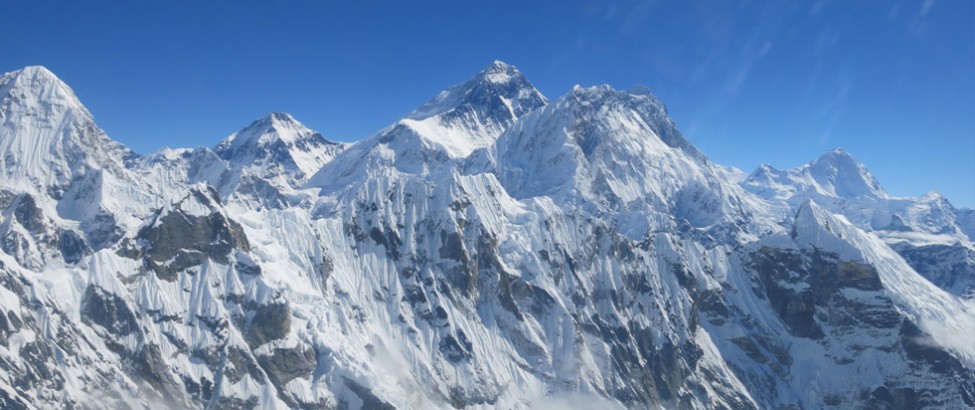 Standing at a height of 8,516 meters, the Lhotse is the fourth highest mountain in the world and is, in fact, a part of the Everest massif. The Lhotse has three prominent summits. Given that the Lhotse has the same route as Mount Everest, it is often regarded as a hiking alternative to the latter.
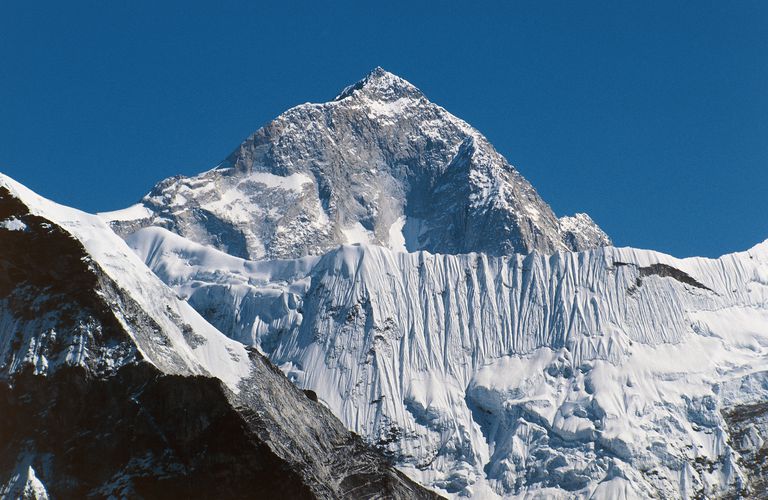 This is the fifth highest mountain in the world, with elevations of 8,481 meters. What makes Mount Makalu remarkable is that it is an isolated peak, right on the border between China and Nepal. Makalu also resembles a four-sided pyramid, making it a sight to behold. Given its steep gradients and sharp ridges, this mountain is considered one of the most difficult mountains to climb in the world.
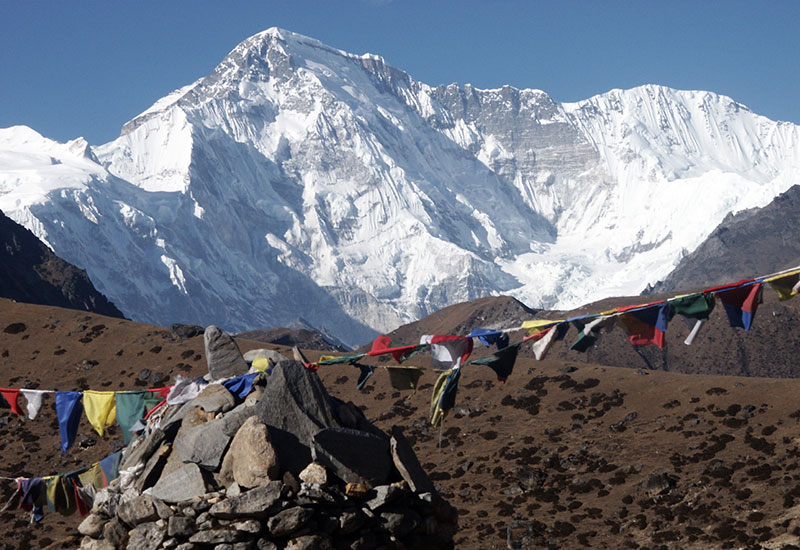 With an elevation of 8,188 meters, Mount Cho Oyu is the sixth highest peak in the world. It lies just 20 kilometers from Mount Everest and serves as a natural border between China and Nepal. This peak’s name translates to “Turquoise Goddess” and was given to it due to its turquoise tint. Among the mountains above 8,000 meters, Mount Cho Oyu is considered as the most climbable. Due to its accessibility, Mount Cho Oyu is among the most popular peaks in Nepal and has a lot of recorded successful ascends.
 At 8,167 meters, Dhaulagiri is the seventh highest mountain in the world. It forms part of the Mount Dhaulagiri massif. The Dhaulagiri is notable because it lies 35 kilometers west of Annapurna I. together, these two mountains create the deepest gorge in the world – the Kali Gandaki Gorge. Unlike most high mountains in Nepal which shares a border with neighboring countries,
  Located in Hotel Utse in Kathmandu,
  Another hotel restaurant worth visiting is the Krishnarpan, located at the Dwarika’s Hotel. Like the Utse, Krishnarpan serves authentic Nepalese cuisine, albeit the restaurant is a little bit more upscale and the dining experience is towards the slow dining side. The dishes are all made from ingredients grown in Dwarika’s organic farms, so you can be guaranteed that everything is fresh. One notable feature of Krishnarpan is its traditional dining experience wherein guests sit on cushions on the floor before low tables. Meals can run anywhere from six to 22 courses, depending on the preferences of the diner. That said, guests can certainly try the restaurant’s offering of local dishes like tareko (spiced grilled wild boar) and kukhura ko masu (the Nepalese version of chicken curry).
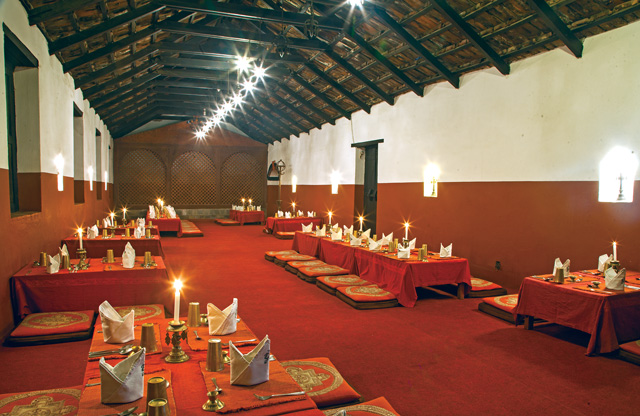 For those who want to enjoy authentic Newari fare against a backdrop of a rich history, then the BhojanGriha is the restaurant to be. The building alone is worth visiting, it dating over 150 years old and formerly housing the royal priest to the King of Nepal. But BhojanGriha is as much about its food offerings as it is about history. Here, you can sample Newari dishes made from local, organic produce such as the jhaneko mas ko dal with sadabhuja and the sikarni, a famous Nepalese dessert.
 If you are craving for Vietnamense cuisine, then look no further than Saigon Pho, situated right across the Shangri-La Hotel. The interiors of the restaurant is decorated in a distinctive traditional Vietnamese fashion and the second-floor terrace provides diners with a spectacular view of Lazimpat. The menu is as authentic as it can get, having been prepared by Vietnamese chefs. If you do stop by, do not forget to try the pho and the green watermelon salad.
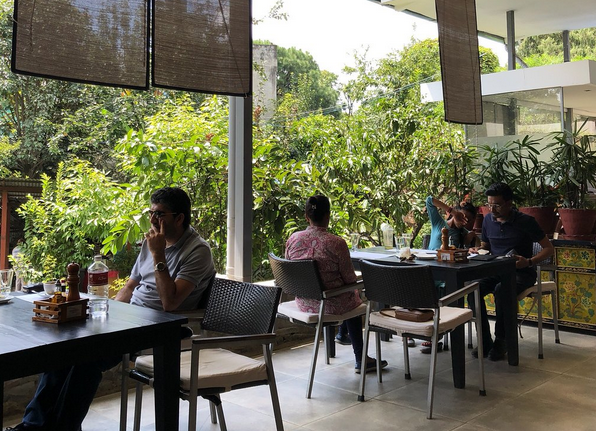 More on the international cuisine side of the Nepali food scene is Le Sherpa, a restaurant that prides on its European dishes served with Sherpa hospitality. Located in Kathmandu, this restaurant is all about the charming courtyard and gardens, a far cry from the hustle and bustle of the city. Due to the restaurant’s intimidate dining space and outdoor seating arrangements, it has been a quick favorite among diners who want to wind down after a long day. Its European menu offer various scrumptious dishes such as the slow-roasted pork belly and the homemade braised rabbit ravioli.
 If you are looking for something light, then you ought to stop by one of Nepal’s numerous cafes.
 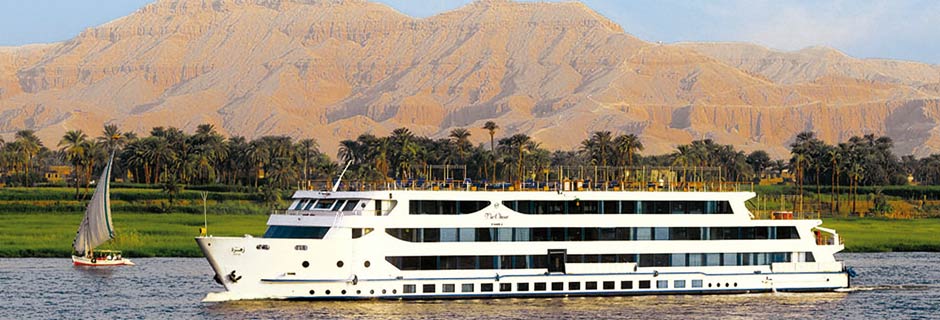 If you are fixated on having a Nepal cruise, then there are a couple of things you must know. First, you have very limited options since the country is landlocked and there is not much going around the matter. Hence, you will have to content yourself with local cruises, typically along rivers within the country. Since Nepal is not exactly famous for its local cruises, you might find it quite challenging to find a lot of local cruising company.
 If you are planning to stay in a location where there are rivers, then you could check with local agents for the availability of river cruises. Note, however, that a local river cruise (that is, just within Nepal) is not likely to be very long, so if you have a long romantic cruise planned, this might not be the best option for you. Nonetheless, going on a river cruise is a great option if you just want to have a better view of the surrounding landscape, or if you want to enjoy the majestic Himalayan ranges without having to actually go hiking or trekking.
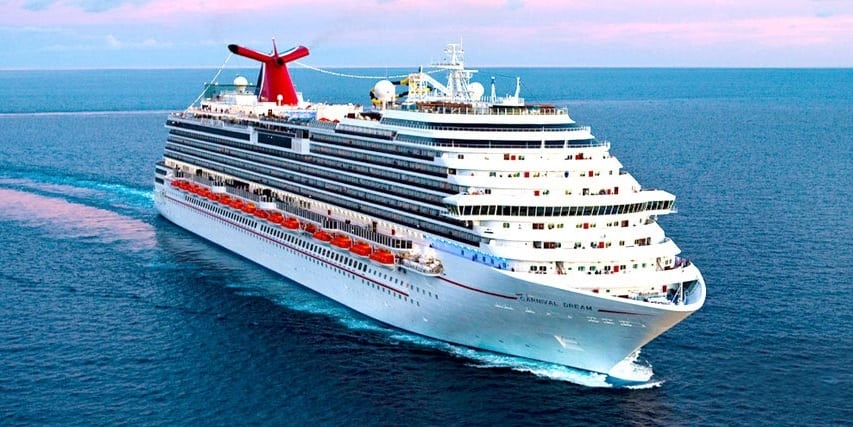 Finding interesting and cost-effective Nepal cruise options is quite challenging since this service is really not all that popular in the country. When you do come across new cruise services, however, make sure to compare prices first and inquire if there is a possibility of a sale or a discount in the near future. A cruise is certainly relaxing and romantic but do not forget that Nepal has so much to offer, so it is not exactly a wise move blow off all your cash on a cruise alone.
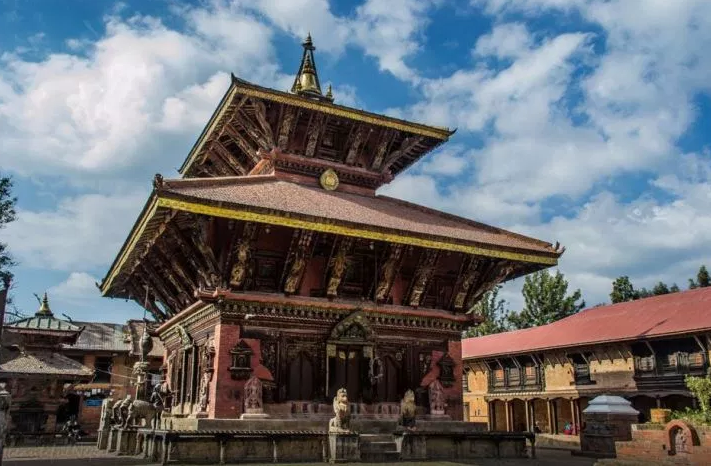 If you want to see a temple with both religious and historical significance, then you should pay a visit to the Changu Narayan Temple, the oldest temple in Nepal. The said temples is adorned with the carvings of various Tantrik deities, as well as the stone statues of various animals. The Changu Narayan Temple features a two-tiered pagoda style architecture and is dedicated to Vishnu.
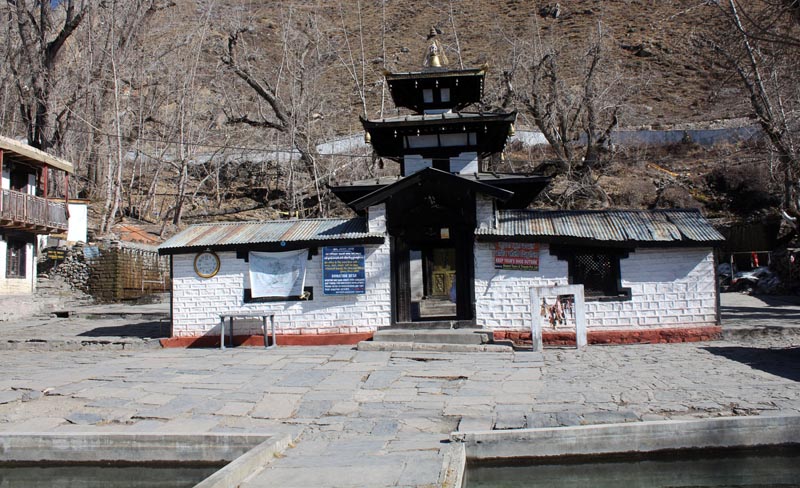 This temple is located around 20 kilometers from Jomson and at a height of roughly 3800 meters above sea level.
  The Varaha Temple is ranked as one of the four greatest pilgrimage sites for Hindus in Nepal. The temple is adorned with 5th-century sculptures. Out front lies a stone which supposedly tests how free an individual is from sins. Anyone who can manage to lift the stone is considered to be free of sins. The temple is also filled with boar statues dedicated to Varaha, the third avatar of Vishnu. It is believed that the Varaha Temple was built on the same spot where Vishnu in the form of Varaha Avatar killed Hiranyakashipu.
 Unlike the previous temple which is dedicated to Vishnu, the Manakamana Temple is a shrine dedicated to the Goddess Parvati. People who visit the temple fervently believes that whoever worships the temple by their heart, selflessly, will have all of their dreams come true. The temple is constructed in a distinctive square shape and is right under a big magnolia tree.
 Located roughly 22 kilometers from Kathmandu, the Dakshinkali Temple is among the most revered temples for the Goddess Kali. During festivals, pilgrims flock to this temple to make animal sacrifices of cockerels and uncastrated male goats. The temple was built in the 14th century after the Goddess Kali supposedly appeared in the dream of a Malla King. Per the Goddess Kali’s command, the said king built the Dakshinkali Temple and adorned the same with four golden serpents, as well as the stone carvings of Bhairava, Asthamatrikas, and Ganesha.
 This temple is located in Bhaktapur and is dedicated to Bajrayogini, one of the goddesses of wisdom. The Bajrayogini Temple is a Tantrik temple. The main temple is eye-catching, having been made to be three stories high and with keen attention to details. The Bajrayogini Temple houses a statue of the goddess, featuring a red face with three eyes and carefully positioned and well-decorated hands and fingers.
 As with the Bajrayogini Temple, the Bangalamukhi Temple is also dedicated to one of the 10 wisdom goddesses. The temple, like the goddess it reveres, symbolizes the potent female force, much like Bangalamukhi who is known to have turned defeats into victories and failures into achievements. The Bangalamukhi Temple is especially popular among young people in Nepal, particularly women. Unmarried devotees also visit the Bangalamukhi Temple in hopes of getting divine help in finding their desired spouses. Married couples, meanwhile, visit the temple to pray for good children.
 The Dantakali Temple is of interesting origin. The temple came to be because it is believed that its site is where Shiva dropped a tooth while roaming around after the death of Satidevi. In addition to the temple itself, the general area is also beautiful given the surrounding green hills. It also offers a great view of the Dharan Bazaar. The best time to visit the Dantakali Temple would be during the Dashain festival when devotees flock to the temple.
 Regardless of what you have planned for your Nepal trip, paying a
  While exploring Kathmandu, you might also want to drop by the
  Also found in Kathmandu is the National Museum of Nepal – the perfect spot to visit if you want to learn more not only about Nepal’s ancient, but also its modern history. Both the art and history galleries of the National Museum of Nepal feature various items, displays, and artifacts relating the country’s rich culture and history. Buddhist arts and artifacts are also on display, along with bronze sculptures and scroll paintings.
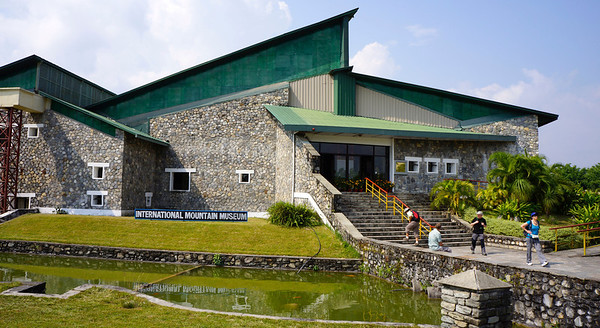 For hiking, trekking, and mountaineering enthusiasts, the International Museum of Nepal located in Pokhara is a popular destination. The museum, with its displays, provide visitors with a fair idea of how Nepal has evolved to be the popular hiking destination that it is today.
 Another unique museum located in Nepal is the military museum which, as you can easily guess, features displays relating to the Nepali military. The Military Museum serves as a walk-through as regards the battles fought by the Nepali military, making it a great destination for individuals who want to learn more about Nepal’s history.
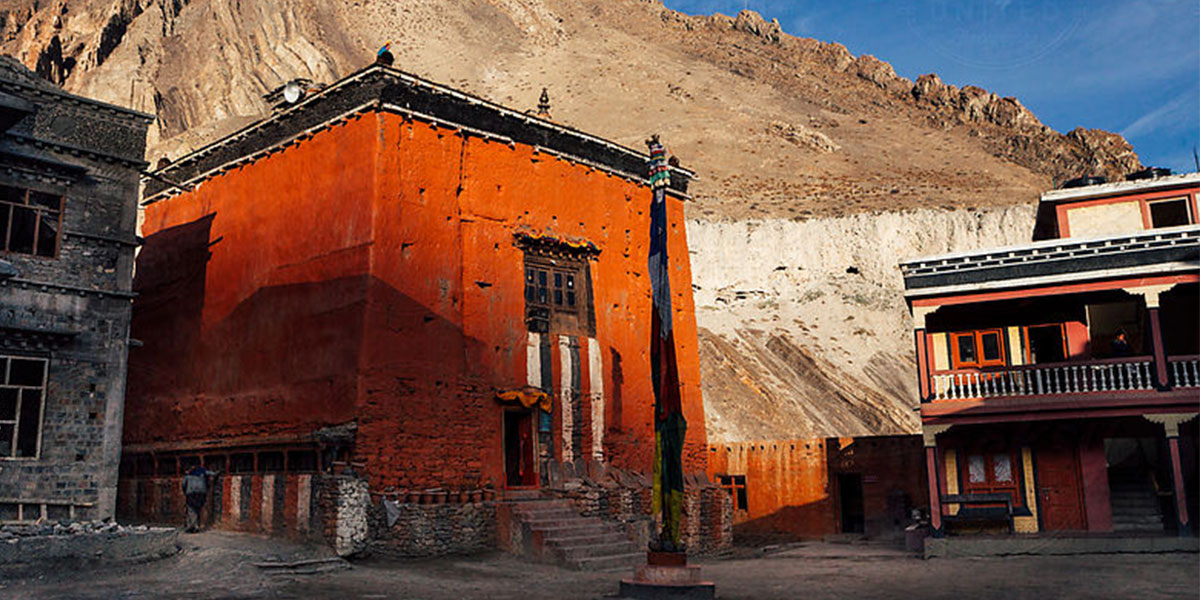 When you hear the word “museum”, I am fairly sure that the first thing that comes to your mind are imposing structures and impressive, pristine galleries. That is certainly not the case with the Red House Kagbeni Gallery and Museum but, trust me, you will certainly enjoy the change of pace.
 Nepal might seem like a cozy landlocked country, but its nightlife is by no means a snooze fest. That is, as long as you know where to spend the night. To help you experience Nepali hospitality in the context of great drinks, great music, and even greater company, here is a list of clubs and bars you should definitely check out in Nepal:
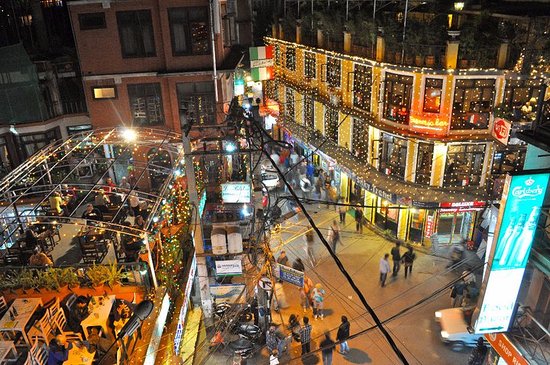 Located in Durbarmag, Club Déjà Vu is easily one of the most popular – and most advanced – nightclubs in Nepal. This club covers a staggering expanse of 20,000 square feet, with enough seating space for around 2,500 people, two VIP rooms, and a separate lounge. The club is designed industrial style, but with high-tech equipment. Both the lighting and sound system are cutting-edge. Love dancing? You are in luck because Club Déjà vu has not one, but two levels of dance floors, with the first floor being members-only. Worried you might not be able to get a drink? Well, fret not because the club has three fully-equipped bars.
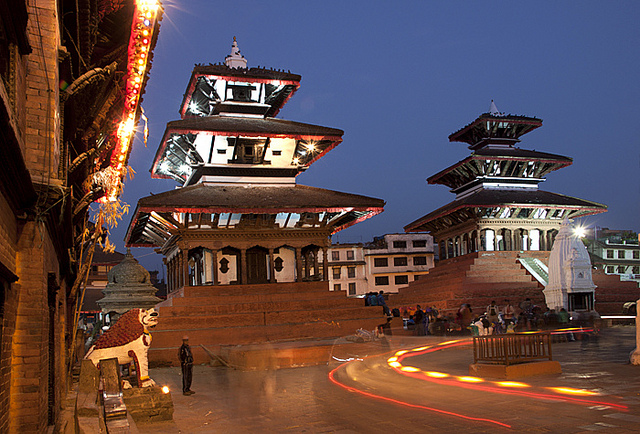 If you are not really into dancing or drinking but still want to experience nightlife in Nepal, then just head to the Durbar Square. Open 24 hours,
  This is easily
  For those who are going to Nepal on business but still want to squeeze in a little downtime, the Crown Plaza Kathmandu-Soaltee might just be the perfect luxury resort. Located smack in Kathmandu’s business district and a mere nine-kilometer drive from the Tribhuwan International Airport, business travelers would not have any problems getting around the city.
 For nature lovers,
 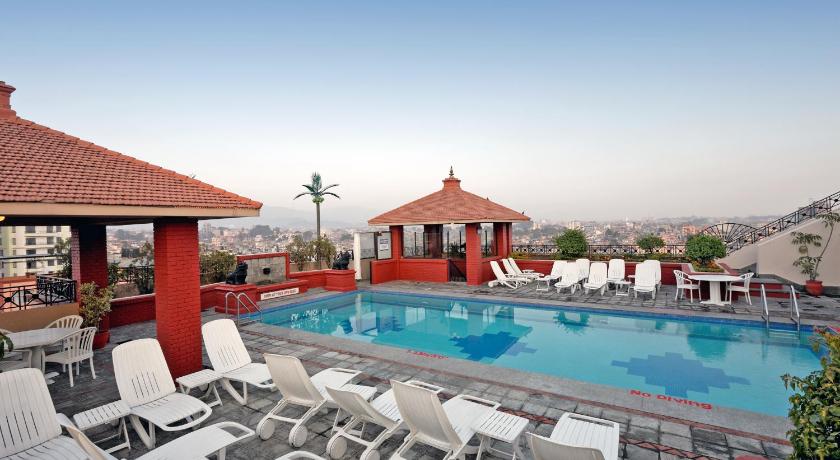 Located near the famous Pashupatinath Temple in Kathmandu, the Radisson hotel is an easy favorite among locals and tourists alike. Aside from its amenities and top-class services, Raddison Hotel boasts of its exquisite terrace garden where one can enjoy the view of the surrounding area, all while enjoying a great cup of tea.
 One cannot round up the top luxury resorts in Nepal without mentioning Dwarika’s Hotel, an award-winning heritage resort located in Kathmandu. Taking over 30 years to construct, this luxury resort receives more than 3000 visitors each day. Aside from its amenities, what sets Dwarika’s apart from other luxury accommodations is the its unique courtyard setting against a backdrop of traditional Nepalese-style accommodations.
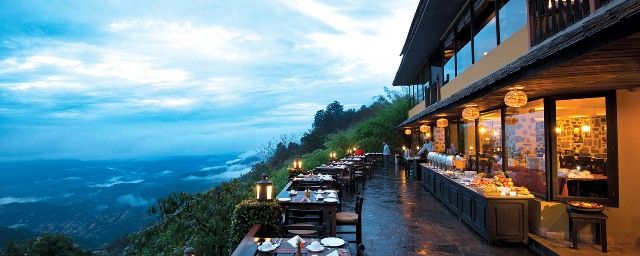 If you are looking for a more exclusive luxury resort in Nepal,